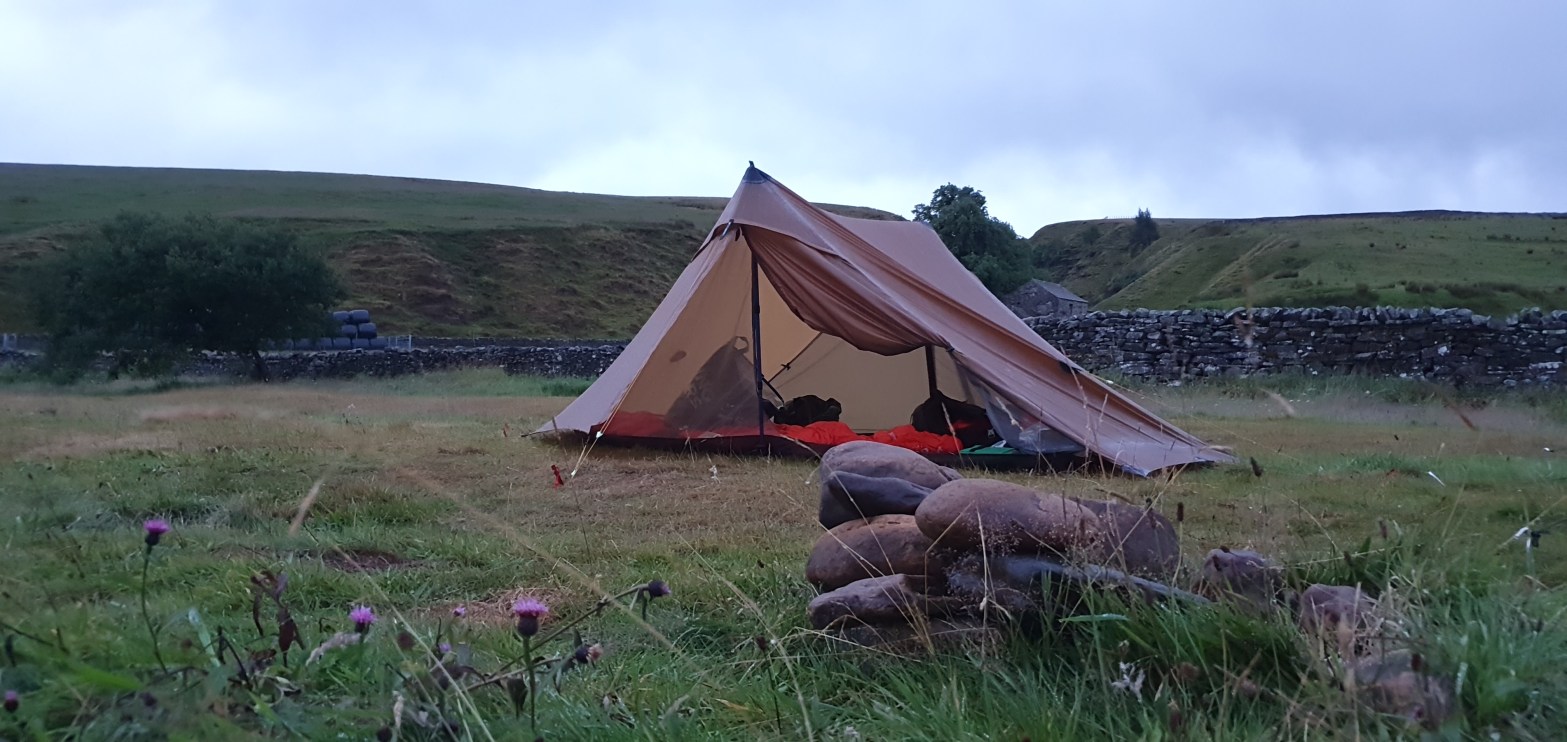
I fell into wild camping when I embarked on my third bikepacking trip, a two-week cycling trip around Europe. I’d previously spent a week cycling through France, stopping in an Airbnb each night, and then a long weekend in Wales with paid campsites. Both trips were thoroughly enjoyable and having a place to stay each night meant we got to meet some amazing people, who shared their own fascinating stories.
Despite the positives, there were negative sides to those trips too, mostly the cost of accommodation and the limitations we put on ourselves by having to be in a set location for each night. I can remember a particular evening in France when we raced up the sides of busy main roads all day to make sure we got to our Airbnb before midnight. A ride which was over 90 miles.
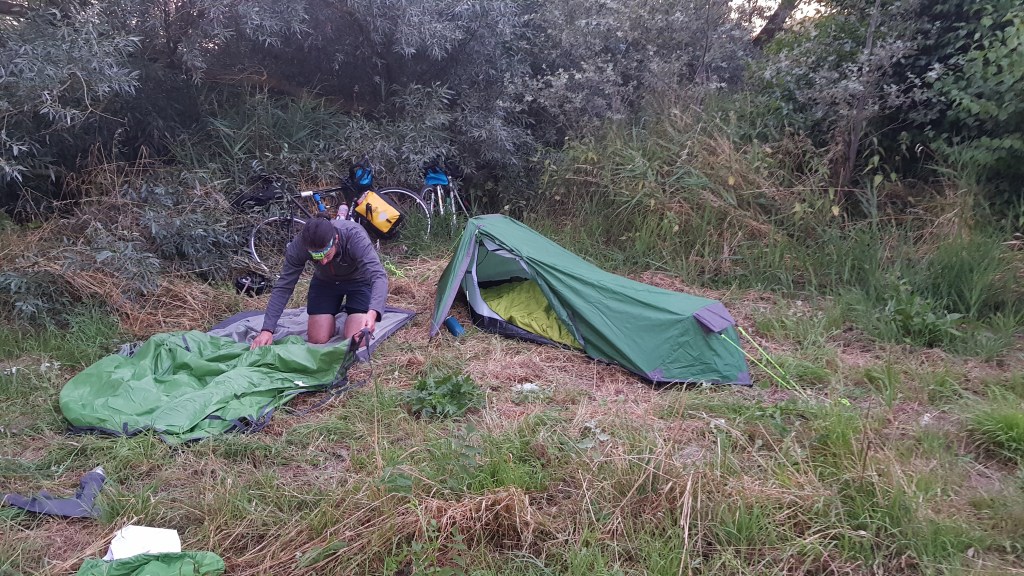
On that third trip in Europe, the choice to wild camp meant that for one I could extend the trip to two weeks as the cost was lower and secondly that I did not need to plan anything. I landed in Brussels with no idea where I wanted to go, but two weeks to do as I pleased.
I’ve subsequently fallen in love with wild camping in its own right. A night up my local hill in my bivvy is an adventure in its own right nowadays, rather than a means to travel lightly. With any hobby, you want to share and connect with others who enjoy the same things as you do, and I’ve found that in a number of YouTube channels and Facebook groups about wild camping.
However, over the past couple of years, interacting within those groups, I’ve noticed a trend in videos and posts focusing on the kit you need to enjoy wild camping rather than the reason you might want to do it in the first place. Wild camping, in my opinion, should be an opportunity to spend a night under the stars. The freedom of putting your head down wherever you wish should remove a lot of the barriers to being outdoors.
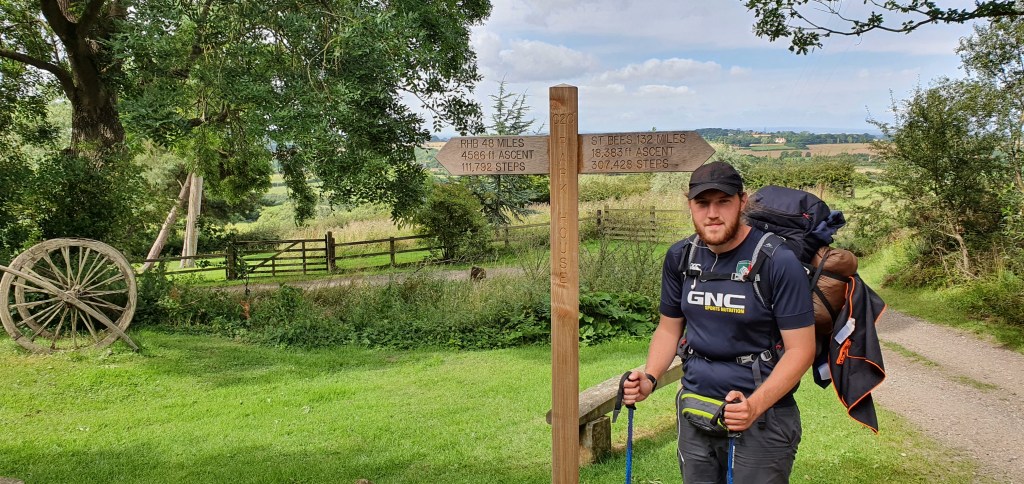
Yet, almost weekly I see posts from new campers asking for advice on how they can get into wild camping and what is the best kit to do that. On almost every post there are comments listing expensive kit that is needed. Four-season tents, expensive insulated sleeping bags and backpacks that cost more than I spent on my whole trip walking Wainwrights Coast to Coast last year.
The raised profile of wild camping has seen many people come to the hobby, which can only be seen as a positive. We should all be able to enjoy a night under the stars. Yet, we shouldn’t feel like we need to spend hundreds of pounds on the best gear to just get out the door and give it a go. Telling people they need the best gear puts up a barrier to those who cannot afford it.
Consumerism has dipped its toe into the outdoor gear game, and it almost feels like we are now always chasing the next best piece of gear that will make our wild camps even better. I’ve spoken to outdoor enthusiasts who have admitted that they spend more time and money on researching and buying new gear than they do actually going out camping.
If you’re a first-time camper, then welcome to the community. It’s a hobby that can change your whole perspective on life. But remember that you do not need a four-season tent that costs more than a month’s mortgage payment just to go and spend your night outdoors. If you want to give it a go, and still enjoy your experience, then here are a few tips, in my own opinion, on how you can do so:
Go when the weather is nice
Lots of expensive camping gear is expensive because it makes your night more comfortable against the weather. A warm summer’s night means you can make do with very little to spend your night outdoors.
Borrow the kit or buy it second-hand
I spent the whole of my bikepacking trip through Europe with a tent, sleeping bag and air mat that cost me less than £50. You don’t always need the best kit, and a friend’s tent or a second-hand one from Facebook marketplace can work just fine. Failing that, just take a piece of tarp and a blanket from home and have a true night under the stars.
Buy a foam sleeping mat
They’re dirt cheap and work well. They might not be as comfortable and fancy as inflatable and insulated branded ones but, unless you have a medical condition that would restrict them, they’re perfectly fine to use, if not a little uncomfortable the first time you use them. You do get used to them though!
Stay somewhere local
If you start to research wild camping even slightly, you will see a barrage of people spending their nights on grand mountain tops. Although those locations can be beautiful, they can also be at the mercy of the weather. If your first night is at the top of an 800m climb and a storm comes in then that’s not going to be a good experience. Go somewhere local, so that if it does go wrong you can get home and reassess before giving it another go.
Keep it simple
You’re going out to spend a night under the stars. You don’t need to take fancy cooking systems and coffee brewing pots to do that. Take what you need to sleep and sort everything else before you go and when you come back.
If you enjoyed this post or found it helpful, please consider sharing it with someone you know or on social media. These posts take a lot of my free time to create and don’t reach a large audience. Your support would be greatly helpful and appreciated.
 Get Up Go Outside