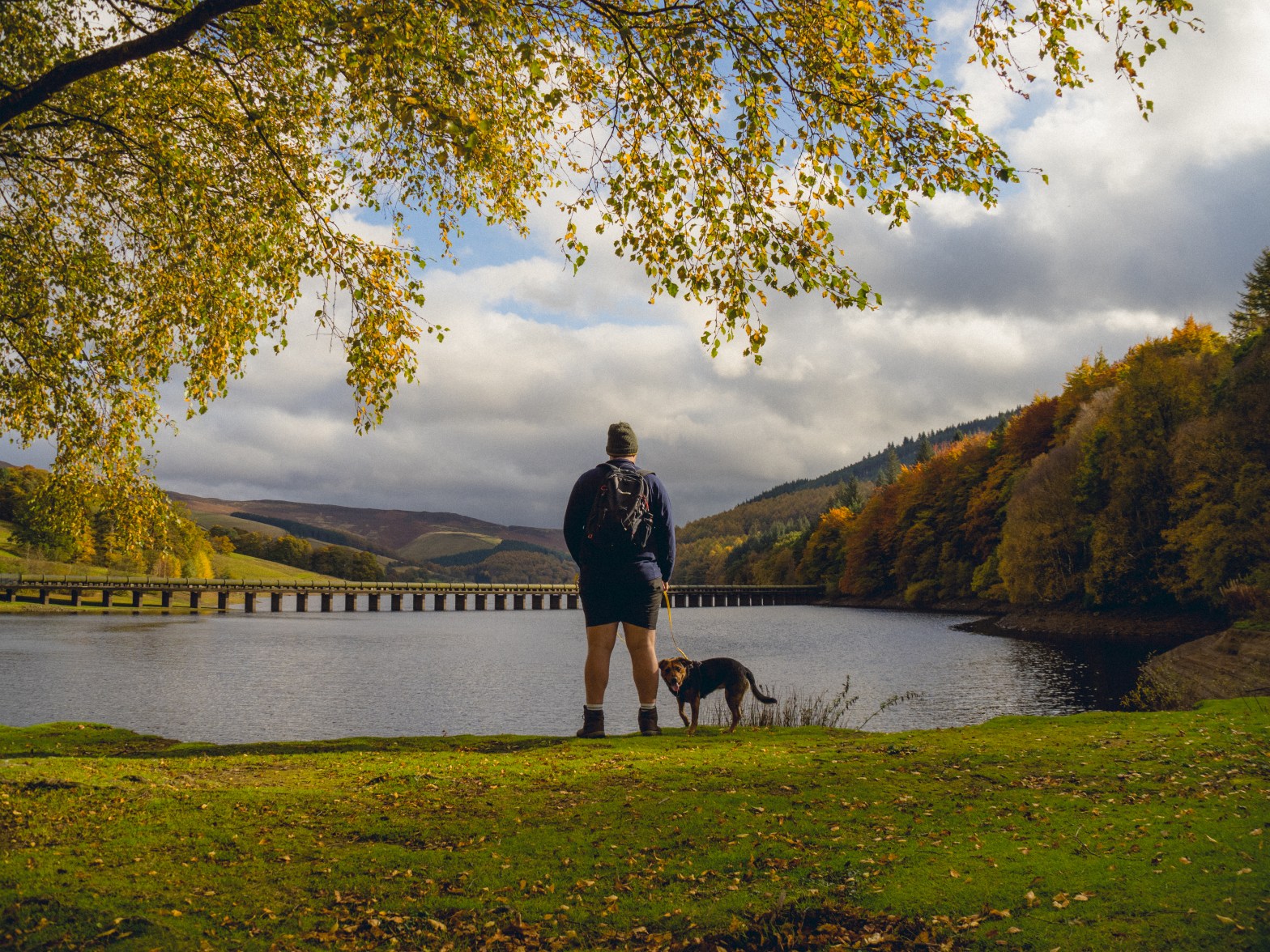
The summer ebbed away slowly this year, with an endless flow from one task to the next. In fact, it hardly felt like we had a summer at all. The colours of autumn crept up quietly and are now beginning to slip away, just as subtly.
At home, the leaves have fallen ungracefully from the trees, scattering yellow here and there among the green. The cold air is the only true signal that another summer has passed.
An Unplanned Trip
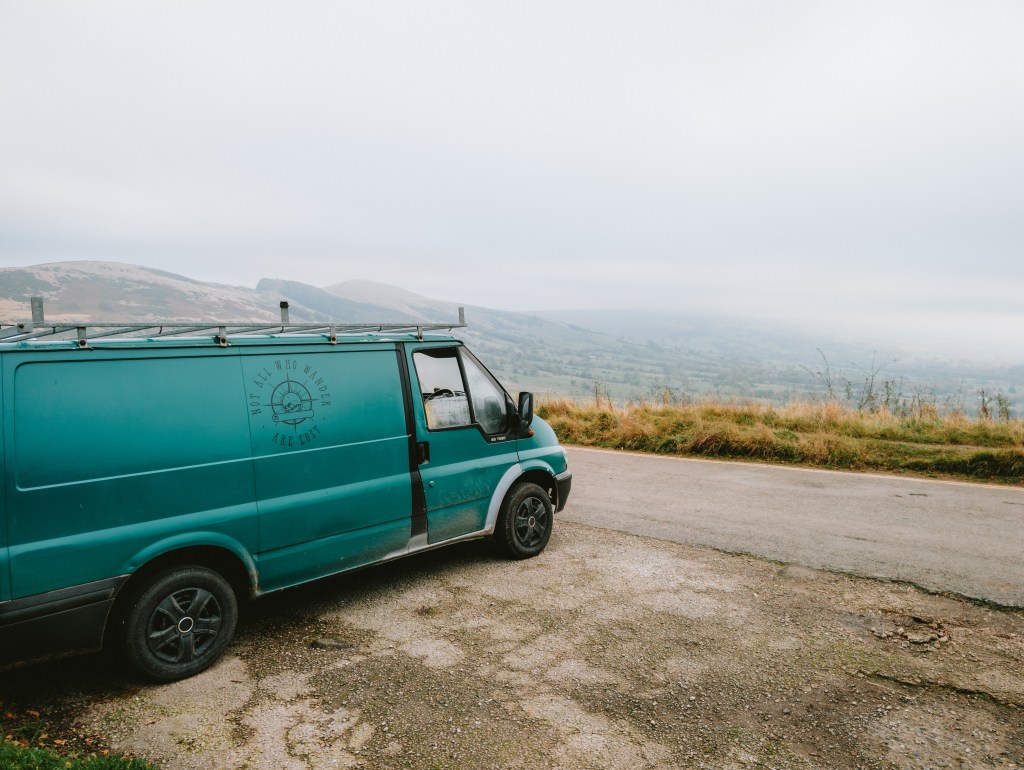
With an unusual amount of annual leave left, we decided to book a few days off for a spontaneous getaway. As the time approached, we realized we hadn’t planned anything. Instead of fretting over packing lists and itineraries, we embraced the unknown and set off in our van to the Peak District for three days of whatever adventure awaited. It felt strange yet freeing to hit the road with no set destination.
That’s the beauty of having a campervan. No campsite bookings required when you can pull into a layby for the night wherever you find yourself.
The Roaches
About halfway to the Peaks, we settled on the Roaches as our first stop. I’d hiked there a few years ago, and the idea of some easy hill walking, with the hope of finding a cozy tearoom or two, was irresistible.
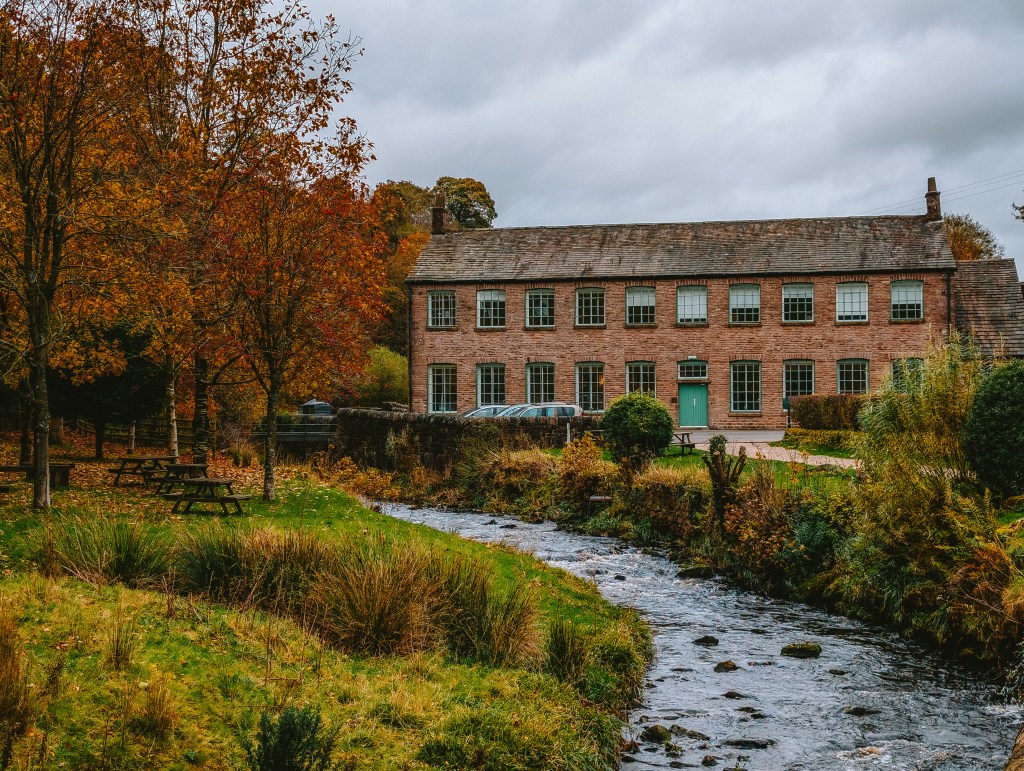
We arrived at a Wildlife Trust car park around 3 p.m. and decided this would be an ideal spot for our first night. We took a leisurely stroll along the private road to Gradbach Mill, just under a mile away. Mist was rolling over the hillsides as we walked. Here, the abundance of trees made it clear that autumn had arrived, with hints of orange and red streaking the horizon.
We detoured down the driveway to the mill. It was closed to the public at that moment, and the empty garden, with ice-cream signs leaning against the fence, reminded us that we were exploring on a cold, slightly damp Monday in October, while most others were busy at work.
We attempted to continue down the footpath in search of Lud’s Church, but the muddy trails soon convinced us to turn back to the van.
With a couple of hours of sunlight left, and our chosen car park now deserted, we decided to look for a pub for dinner. The usual dilemma ensued as we used the spotty phone signal to hunt for any open pub in the area. Eventually, we found The Ryles Arms, a typical countryside pub, where dinner was accompanied by a couple of local ales, as we sat tucked away in the corner soaking up the atmosphere from the locals.
The night that followed was blissfully uneventful, which is always a relief when parking overnight, there usually being a slight fear of being moved on, however remote you think your spot might be. With our van backed onto the river, the gentle trickle of water was enough to distract us from any worries as we drifted off to sleep.
The following morning was equally uneventful but in the best way possible. I stood outside the van, drinking my morning coffee, as the leaves from the trees swirled around my feet in the crisp breeze. Our plan for the day was to walk around the Roaches before heading further north to find another camp spot.
To avoid the 10-mile round trip from our current park-up, we decided to drive closer and park on Roaches Road. The layby, usually packed in the summer, was empty today—thanks to the cold and wet weather keeping others away.
We took a short walk through the woods at the base of the hills, which seemed to glow eerily green in the mist. It felt almost like a setting for a horror film. Except for the occasional distant voices of dog walkers hidden in the mist, we had the place to ourselves, winding our way through rockfalls and slippery tree branches, struggling to keep to the unmarked path. After an hour, we managed to loop out of the forest and onto the peat-filled hills, descending back down to the road. It felt freeing to be lost within the woods, exploring the small details around us without distraction’s far ahead.
By 10 a.m., we were back at the van just as the mist began to clear, revealing the valley below with occasional sunlight illuminating the fields.

As lunchtime neared, we decided to visit High Peak Bookstore. After overspending on coffee and a fancy panini lunch, we explored the shop. It was a delightful mix of local authors and travel books, with the occasional classic hidden among the shelves—a well-deserved diversion.
With no signal to make plans, we opted to drive north towards Hope Valley, where we intended to spend the next few days. About 30 minutes into the journey, we pulled into a car park at Monsal Head to explore. From our vantage point, we could see the River Wye, with the Monsal Viaduct crossing it before disappearing into the trees. Part of the Monsal Trail, an 8.5-mile stretch of converted railway line, it bustled with people, but we enjoyed the solitude as Faye and Betty ate ice-cream while I wandered down to the viaduct.
We decided to book a campsite nearby for a hot shower, but with plenty of daylight left, decided against heading straight there, instead driving to Millersdale Station to join the Monsal Trail for a walk through the tunnels, passing a group of schoolchildren abseiling from a bridge over the river, no doubt getting a taste for a lifestyle that seems to thrive around here in the rocky outcrops.
Hathersage and Hope Valley
The next morning was slow, thanks in part to a hangover, courtesy of a bottle of wine from the night before. My early morning plan to hike gave way to a desperate need for coffee and comfort food.
Our day’s plan included a visit to Ladybower Reservoir and Derwent Dam. After a quick stop in Hathersage for tea and outdoor shops, we followed the road adjacent to Ladybower down to Fairholmes Visitor Centre. The blue sky was breathtaking by now, and the reservoir, framed by autumnal pines, looked postcard-perfect.
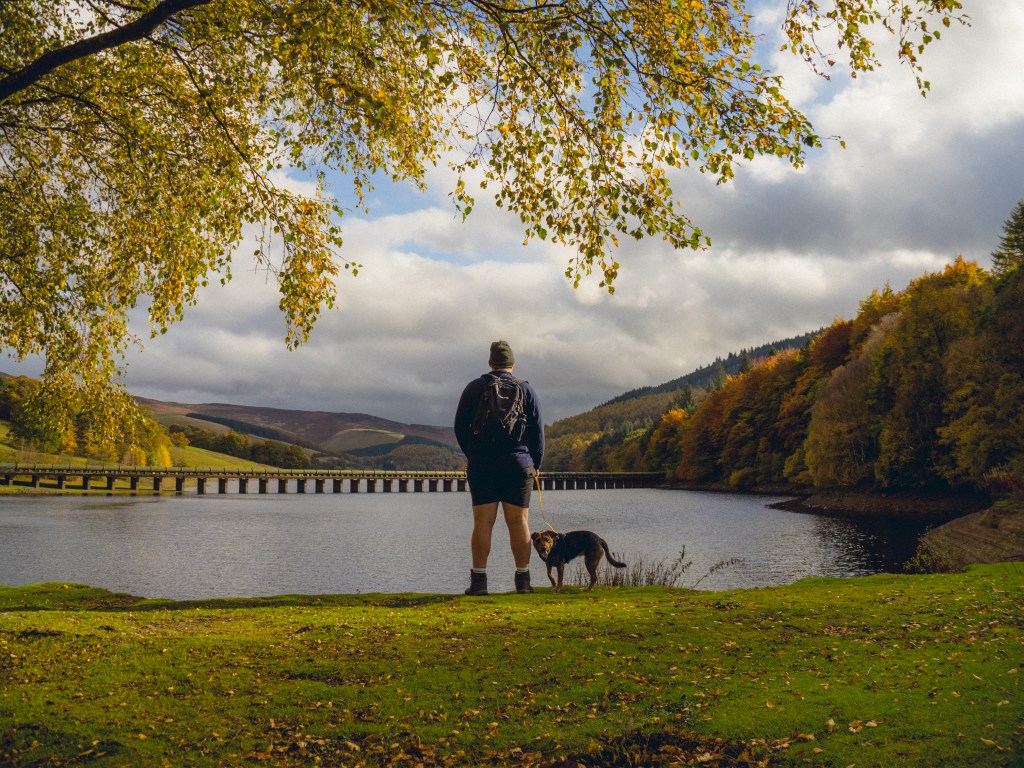
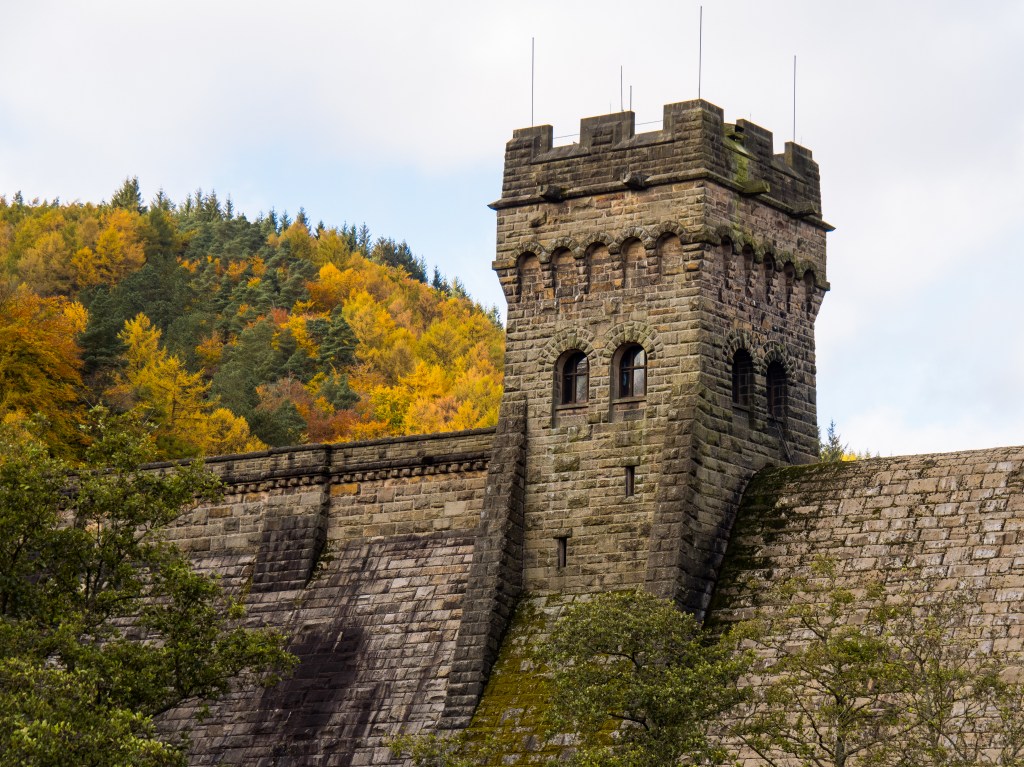
Derwent Dam was only a short walk from the center, and the well-marked paths led us through a beautiful forest before the dam appeared. Occasionally, the RAF flies low-altitude bombers through the valley, practicing as they once did before bombing German dams in WWII. Today, a helicopter stole the show for a brief moment which we had to make do with.
We spent some time at the dam before climbing the steps to the east tower. Built to support growing cities in the early 20th century, it was interesting to realise that the water in our Leicestershire taps at home likely originates here. We debated how much work it must have taken to build and how modern red tape in this day and age might have delayed it by a decade before cancelling the thing all together.
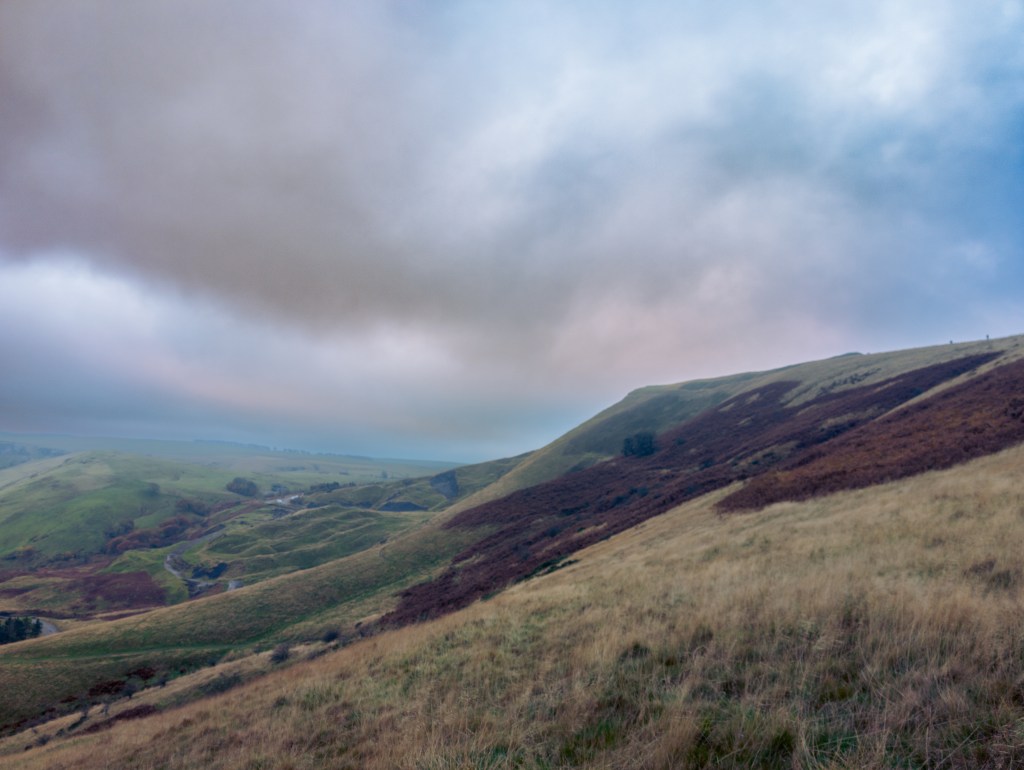
By sunset, we parked at Mam Tor, overlooking the valley below, thanks to a recommendation we found online. It was a relief to be among fellow “van lifers,” with vans just like ours—battered but full of character and stories. When we end up on campsites we can be surrounded by campervans worth tens of thousands of pounds, with all the fancy gadgets compared to our own little rust bucket.
Sitting on camping chairs, eating fish and chips, we watched the day quietly fade away. It wasn’t everyone’s ideal, but it was certainly ours. Up here, life felt simpler, and we felt a rare peace as the valley settled into night.
Castleton
Early the next morning, I set out for a 20-minute hike up Mam Tor for sunrise. I joined others on the stone steps to the summit just as the sky lightened. Videos of Mam Tor’s spectacular sunrise are everywhere online, and I now understood why I was surrounded by people. Sadly, the sunrise remained hidden, with the day’s light emerging behind an overcast sky.
Leaving the crowd, I took a longer route back to the van via the Great Ridgeway, descending along the old mining paths that would have been used by local workers.
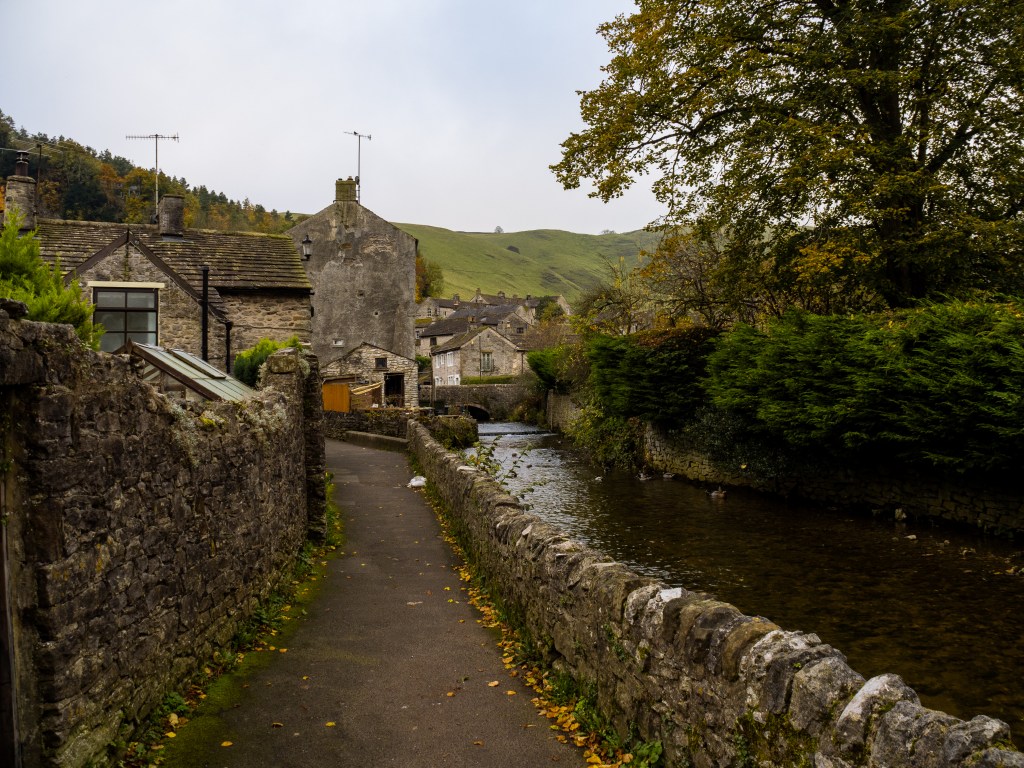
We finished our morning with breakfast in Castleton and stocked up on baguettes for the drive home. This village, tucked in the stony hills, felt like the perfect snapshot of the Peak District—a quiet way of life in the heather-clad peaks. Many people here were just like us, seeking a brief escape in these hills.
Thanks for taking the time to read this blog post. If you found it interesting you may want to keep up to date with some monthly newsletters I publish over on Substack.
 Get Up Go Outside